
Introduction
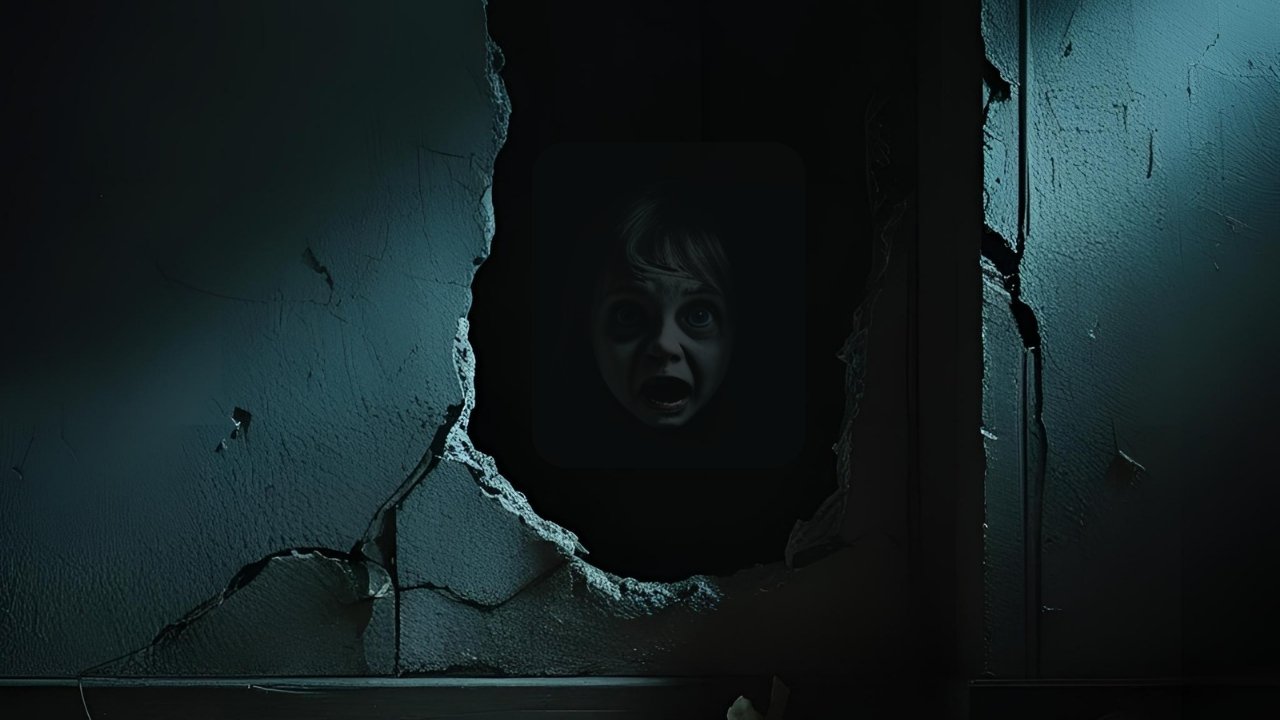
The human brain is a fascinating — and sometimes unreliable — tool. It’s designed to detect patterns, fill in gaps, and keep us alert to threats. Those abilities are great for survival, but they can also cause us to misinterpret ordinary sights, sounds, and sensations as paranormal.
In this lesson, we’ll explore how our brains can create ghostly experiences without any supernatural cause — and why learning this is essential for every serious investigator.
Why This Matters for Ghost Hunters
-
Credibility – Knowing how false perceptions happen keeps your evidence trustworthy.
-
Personal Safety – If you mistake a gas leak for a ghost, you could put yourself in danger.
-
Better Evidence Collection – The fewer natural explanations you leave unexamined, the stronger your paranormal findings become.
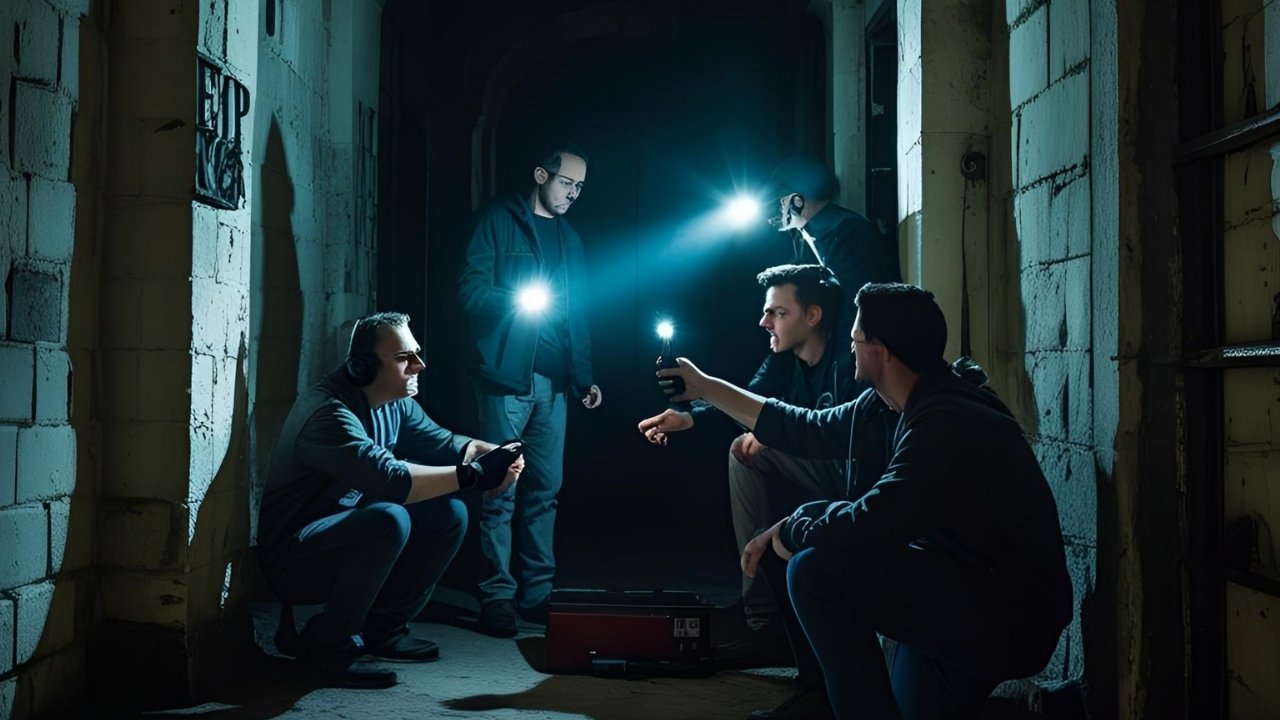
Common Psychological Phenomena That Fool Investigators
1. Pareidolia
The brain’s tendency to find patterns — like faces in clouds or figures in shadows.
-
Example: Seeing a “ghostly face” in a photo that’s actually a mix of shadows and furniture.
-
Investigation Tip: Always take multiple photos from the same spot; if the “face” changes, it’s likely lighting or movement.
2. Expectation Bias
When you expect to encounter something, your brain makes you more likely to “find” it.
-
Example: Hearing a faint noise and instantly interpreting it as a whisper because you’re in a haunted location.
-
Investigation Tip: Approach each session as if nothing paranormal will happen — then let the evidence surprise you.
3. Inattentional Blindness
When you’re focused on one thing, you miss other details — even obvious ones.
-
Example: Staring at an EMF meter and missing a shadow moving in your peripheral vision.
-
Investigation Tip: Rotate focus regularly during investigations.
4. Sleep Paralysis & Hypnagogic Hallucinations
The vivid sights, sounds, and sensations that can occur between sleep and wakefulness.
-
Example: Feeling a “presence” or seeing a figure at the foot of your bed when you can’t move.
-
Investigation Tip: Consider the timing of reports — if activity happens during waking or falling asleep, rule out these natural causes first.
5. Power of Suggestion
Hearing other people’s ghost stories or being told a location is haunted can influence what you see, hear, or feel.
-
Example: Feeling sudden “cold spots” after someone mentions them.
-
Investigation Tip: Keep certain observations private until the end of a session to avoid influencing your team.
Case Study
In a 2010 investigation at an old theater, team members repeatedly reported hearing a woman humming in the balcony. Audio review revealed no humming — but the sound of a distant fan was similar enough to trigger the brain’s pattern recognition. Once the sound was identified, the “ghostly hum” reports stopped.
Action Step Before Moving On
-
Think back to a time when you thought you saw or heard something unusual.
-
Write in your Ghost Hunting Journal what it was, and see if you can connect it to one of the brain tricks above.
-
Bonus: Ask a friend or family member about a time they thought they experienced something strange, and see if you can spot a possible natural cause.
Closing
Your brain is your greatest investigation tool — but also a potential source of false evidence. By learning its quirks, you protect your credibility and sharpen your instincts.