
Introduction
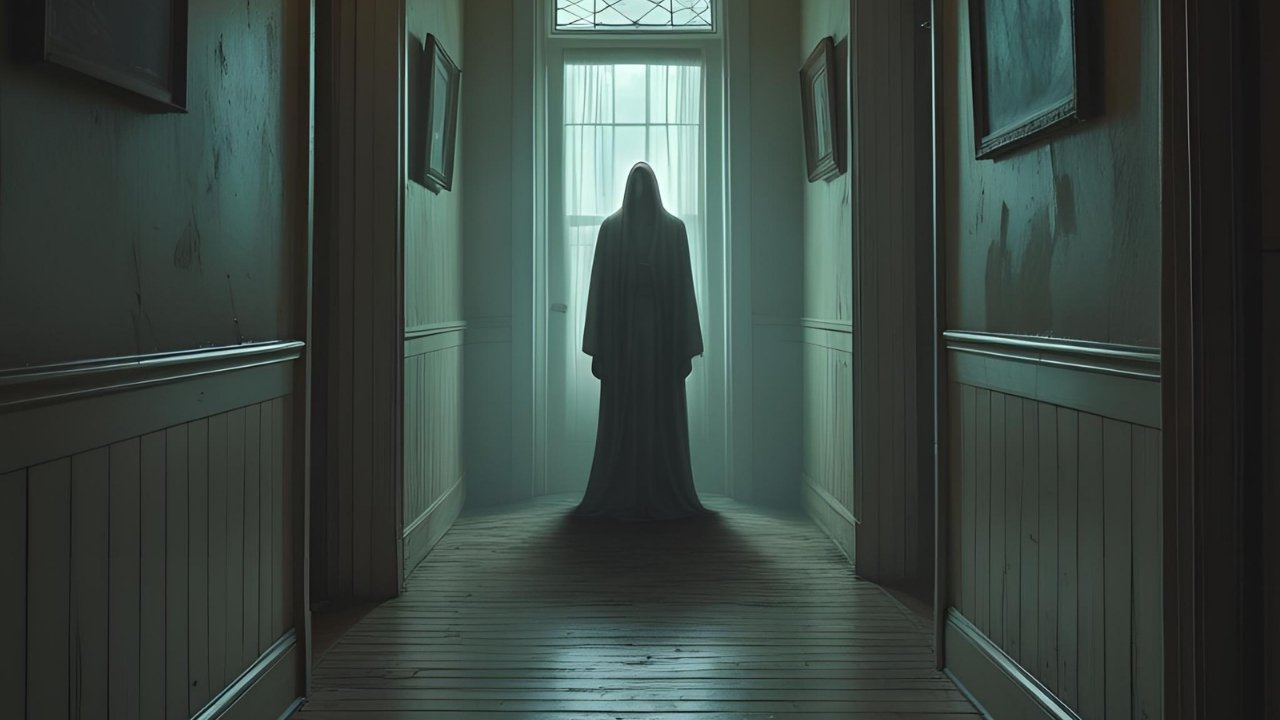
When people hear the word haunting, they often imagine one thing: a ghost. But in the field, investigators encounter many types of paranormal activity — each with different behaviors, causes, and investigation strategies.
In this lesson, you’ll learn to classify activity into key categories so you can approach each case with the right mindset, tools, and expectations.
1. Residual Hauntings
What They Are:
Like a video replay from the past. Residual hauntings are believed to be energy imprints left behind in a location, often tied to strong emotional events. They don’t interact with the living — they simply repeat, unchanged.
Signs:
-
Footsteps in the same spot at the same time of day.
-
Apparitions following the same path, ignoring your presence.
-
Sounds of past activity (music, voices, battles) with no source.
Investigation Tip:
Document the pattern — if it repeats exactly over multiple visits, it’s likely residual.
2. Intelligent (Interactive) Hauntings
What They Are:
Entities that seem aware of the living and can respond to questions or actions. Believed to be spirits of deceased people, though some theories suggest other origins.
Signs:
-
Direct responses to EVP questions.
-
Movement or sounds that happen in reaction to investigator prompts.
-
Objects moving after being requested to.
Investigation Tip:
Use call-and-response methods (EVP, spirit box) and look for direct cause-and-effect evidence.
3. Poltergeist Activity
What They Are:
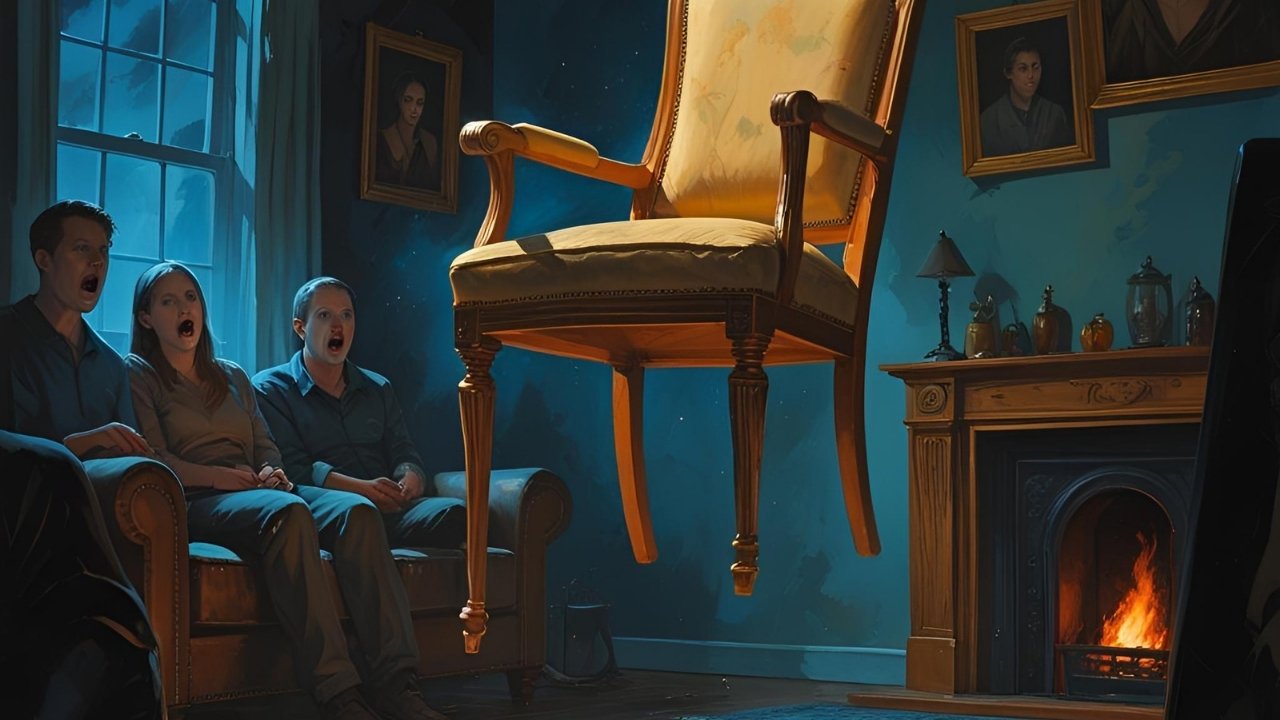
From the German for “noisy spirit,” poltergeists are known for physical disturbances. Some researchers believe the activity is actually caused by unconscious psychokinetic energy from living people, often adolescents under stress.
Signs:
-
Objects moving, falling, or being thrown without explanation.
-
Knocks, bangs, and unexplained crashes.
-
Activity that escalates over time, then suddenly stops.
Investigation Tip:
Rule out environmental causes and observe whether activity correlates with the presence of a specific person.
4. Apparitions & Shadow Figures
What They Are:
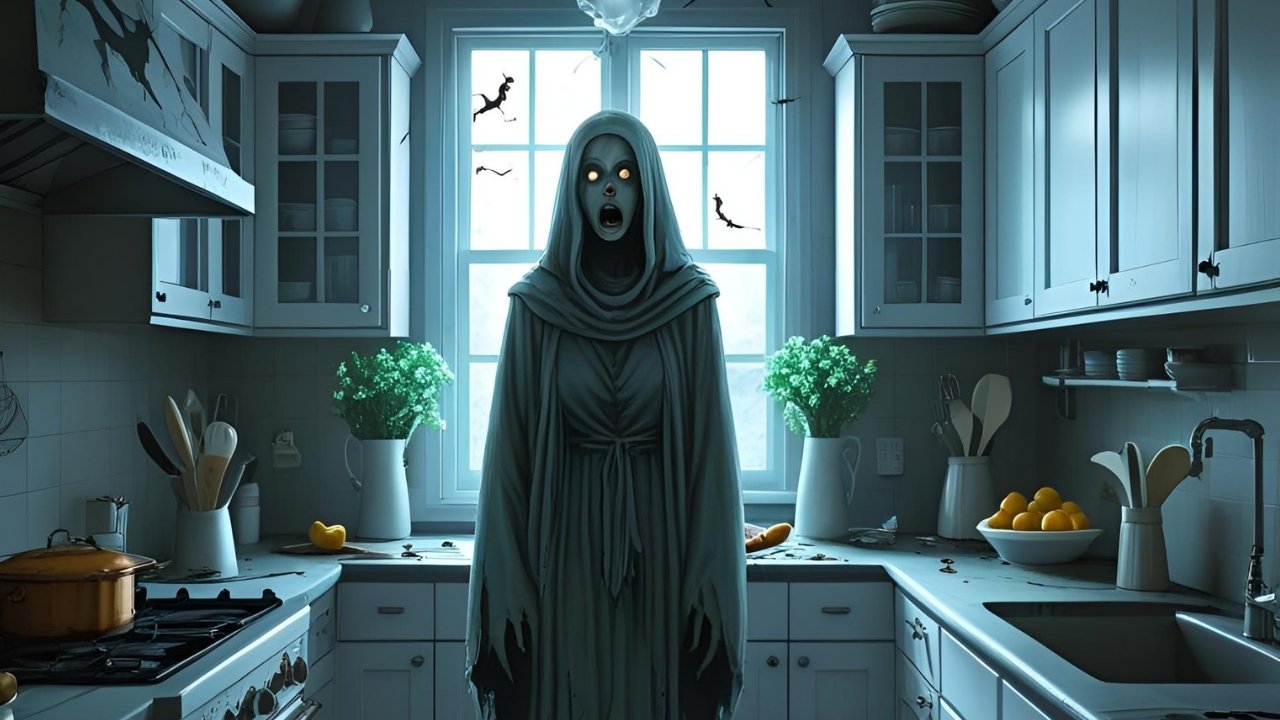
Visual manifestations ranging from fully detailed human-like forms to vague, dark silhouettes. Shadow figures are a particularly debated phenomenon — some link them to hauntings, others to psychological or optical effects.
Signs:
-
Clear human shapes appearing and disappearing.
-
Peripheral movement that vanishes when looked at directly.
-
Forms that block light or appear solid.
Investigation Tip:
Photograph from multiple angles and compare against known light sources or environmental shadows.
5. Other Anomalies
Not all phenomena fit neatly into one category. Some commonly reported anomalies include:
-
Cold Spots / Heat Spots – Sudden localized temperature changes.
-
Phantom Scents – Smells with no physical source (perfume, smoke, decay).
-
Disembodied Voices – Heard with the naked ear, not just in recordings.
-
Physical Sensations – Touches, tugs, or pressure without a visible cause.
Investigation Tip:
Document everything with time, place, and environmental conditions — patterns may emerge later.
Why Classification Matters
Knowing the type of activity you’re dealing with helps you:
-
Choose the right equipment.
-
Set realistic investigation goals.
-
Communicate findings clearly to clients or team members.
Misidentifying activity can lead to wasted time, misleading evidence, or loss of credibility.
Action Step Before Moving On
-
In a Ghost Hunting Journal, write down a past paranormal story you’ve heard (or experienced).
-
Classify it into one of the categories above — explain why you think it fits.
-
Make a note of what type of evidence you would try to collect for that case.
Closing
By understanding the types of paranormal phenomena, you can walk into any investigation with sharper instincts and a clearer plan.