
- Introduction
Old buildings creak. Air changes temperature. Electrical devices hum. And sometimes, these perfectly natural occurrences mimic the very signs we look for in a paranormal investigation.
In this lesson, we’ll cover common environmental factors that can cause haunting-like effects and how to recognize them before labeling something as paranormal.
Why Environmental Awareness Matters
-
Safety – Some environmental causes (like mold or gas leaks) are dangerous to your health.
-
Credibility – Ruling out natural explanations strengthens your evidence.
-
Focus – Knowing what’s normal helps you notice what’s truly unusual.
Key Environmental Factors That Mimic Paranormal Activity

1. Infrasound
-
What It Is: Low-frequency sound waves (below human hearing) caused by machinery, HVAC systems, or natural sources.
-
Effects: Can cause unease, nausea, disorientation, and even the sensation of being watched.
-
Investigation Tip: Use frequency meters or audio analysis software to detect infrasound.

2. Mold & Air Quality Issues
-
What It Is: Black mold, dust, or poor ventilation releasing particles into the air.
-
Effects: Headaches, dizziness, visual distortions, and mood changes — all of which can mimic paranormal sensations.
-
Investigation Tip: Wear masks in suspect environments and note any strong musty smells.

3. Electromagnetic Fields (EMF)
-
What It Is: Fields created by wiring, appliances, or faulty electronics.
-
Effects: High EMF exposure can cause anxiety, hallucinations, and the feeling of being touched.
-
Investigation Tip: Take baseline EMF readings before the investigation and identify known sources.
4. Carbon Monoxide Leaks
-
What It Is: Odorless, colorless gas from faulty heaters or stoves.
-
Effects: Headaches, confusion, auditory hallucinations, and in severe cases, death.
-
Investigation Tip: Carry a portable CO detector — this is a life-saver, literally.
5. Lighting & Shadows
-
What It Is: Streetlights, car headlights, or flickering bulbs.
-
Effects: Can create moving shadows or sudden changes in room brightness.
-
Investigation Tip: Document all light sources before and during an investigation.
6. Structural Noises
-
What It Is: Creaks, bangs, and groans from settling wood, shifting foundations, or temperature changes.
-
Effects: Sudden loud noises with no visible cause.
-
Investigation Tip: Learn the building’s “normal” noises during the baseline phase.
Case Study
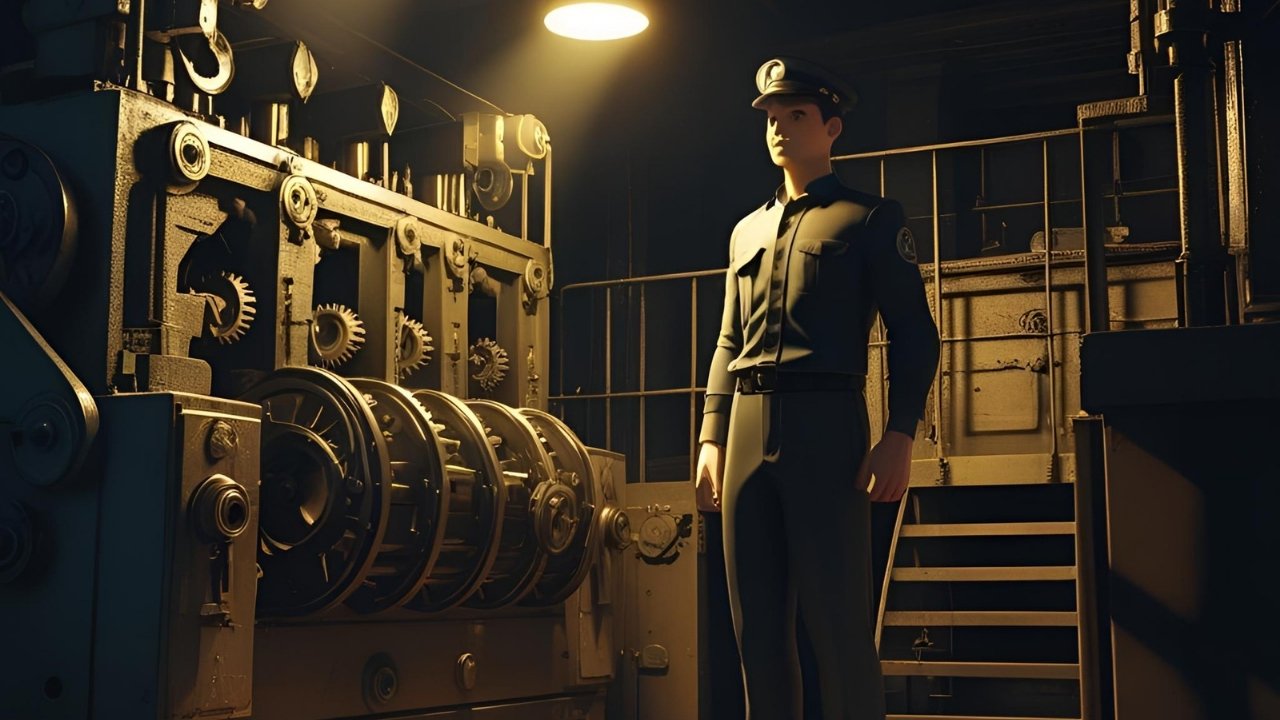
In a historic inn, guests reported waking to the sound of footsteps and a heavy presence in the room. Investigation revealed an old industrial fan in the basement producing infrasound. Once turned off, the reports stopped — but the legend of the “night watchman” continued to draw tourists.